
Does Fast Charging Damage Electric Vehicle Batteries?
June 21, 2023
Does Fast Charging Damage Electric Vehicle Batteries?
Despite the increasing popularity of electric vehicles (EVs) each year, many drivers remain hesitant to embrace this technology due to concerns regarding their range reliability and battery lifespan. A common concern among EV owners is the potential degrading effect of fast charging on battery life. We understand that these concerns are worrisome and considering that prominent EV manufacturers like Kia and Tesla advise limited usage of fast charging in the detailed specifications of some models. So, to hush these concerns, we have created this article to address the impact of fast charging on battery health and provide insights into its safety for EV usage. We will also explore how fast charging operates and evaluate its effects on your battery's well-being.What Is EV Fast Charging?
When we say fast charging, it means Level 3 or DC charging - the quickest available charging method that can fully charge an EV in just a few minutes rather than hours. The power outputs of fast charging stations can vary, but they generally provide between 7 and 50 times more power than regular AC charging stations. The high power facilitates rapid Electric vehicle charging. But it also generates substantial heat and places additional stress on the battery.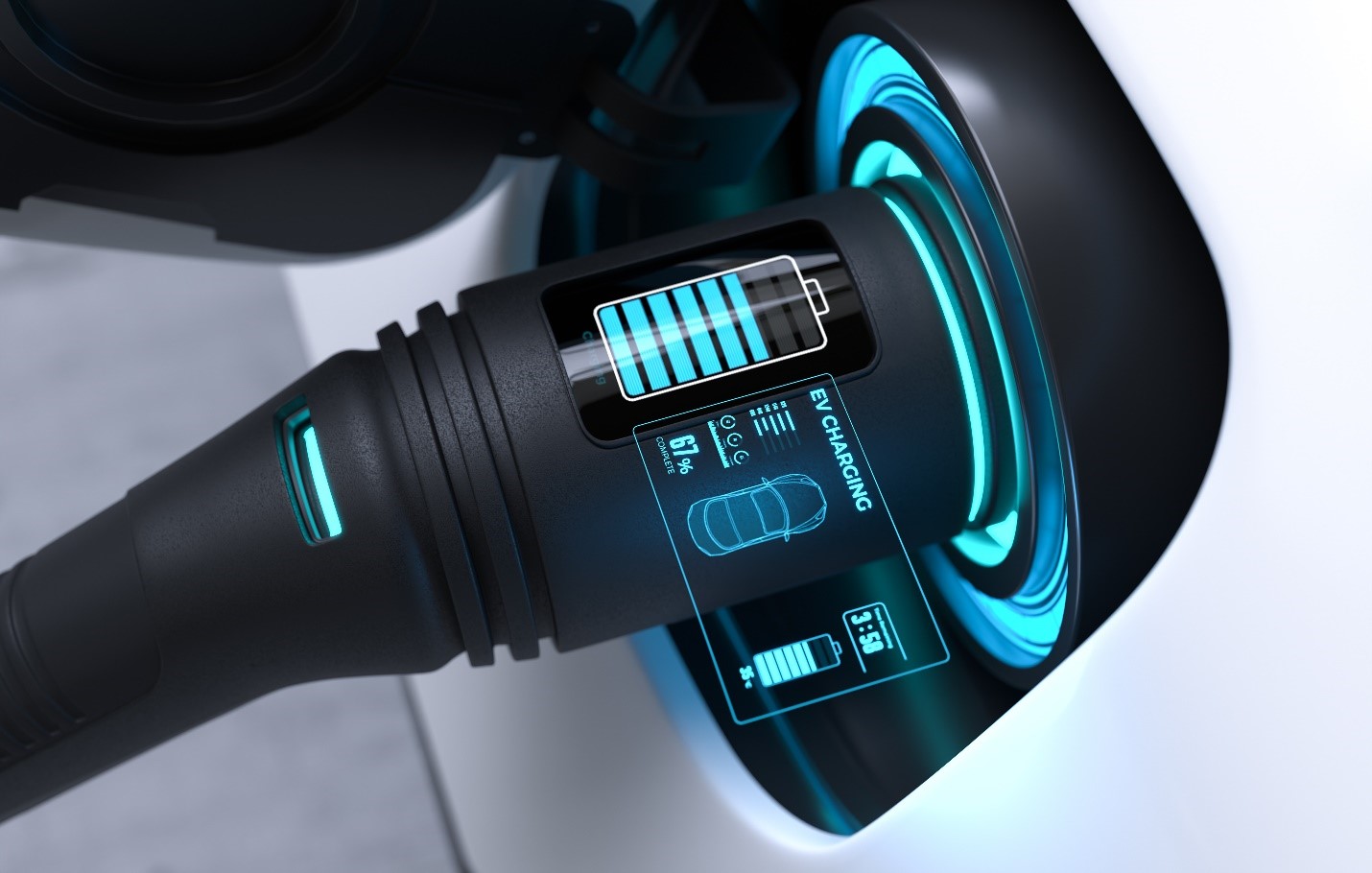
How Does DC Fast Charging Work for Batteries for Electric Vehicles?
When it comes to electric cars, there are two primary types of charging: AC and DC. AC, which stands for alternating current, is the battery charging with power supplied by standard home outlets. DC, or direct current, is the power generated by EV batteries. When charging the batteries of electric vehicles with DC power, they must convert them into AC power. This conversion is achieved through rectification, which utilizes a series of diodes to convert DC power into AC power. Comparatively, AC charging is more prevalent than DC charging because it is simpler to distribute AC power to homes and businesses. However, there are advantages to DC charging. One significant advantage is its ability to fast charge an EV than AC charging. In just 3 minutes, DC fast charging can add approximately 60 miles of range. This rapid charging is made possible by the higher electrical voltage supplied by DC fast chargers compared to AC chargers.The Effect of Fast Charging On Electric Vehicle Batteries
Now let's examine the actual impact of fast charging on the health of EV batteries. Studies conducted on this subject, like Geotabs' research, have shed some light. According to their findings, fast charging more than three times per month over two years resulted in a battery degradation increase of 0.1 percent. In comparison, drivers who never utilized fast charging experienced no such degradation. The study indicates that regular fast charging does result in a slightly higher decrease in battery health compared to AC charging. However, it is significant to note that the impact observed in these controlled tests may not represent entire real-life conditions, as real-world scenarios are generally less demanding on the battery. Now, let's discuss whether fast charging your EV is necessary. Level 3 charging, or fast charging, offers convenience for quick recharges while on the go. However, in practical terms, you will likely discover that regular AC charging is sufficient for your day-to-day requirements. Even with the slowest level 2 charging, sufficient to charge a medium-sized EV in less than 8 hours. Consequently, fast charging is unlikely to be a daily necessity for many individuals. It is worth noting that DC fast chargers are bulkier, expensive to install, and require a higher voltage to operate. As a result, they are only available in specific locations and tend to be costlier to use compared to AC public charging stations.Best practices for EV charging
Fast charging plays a crucial role in the electric mobility landscape, enabling practical long-distance travel with EVs. As mentioned earlier, occasional fast charging does not significantly harm electric vehicle batteries.